

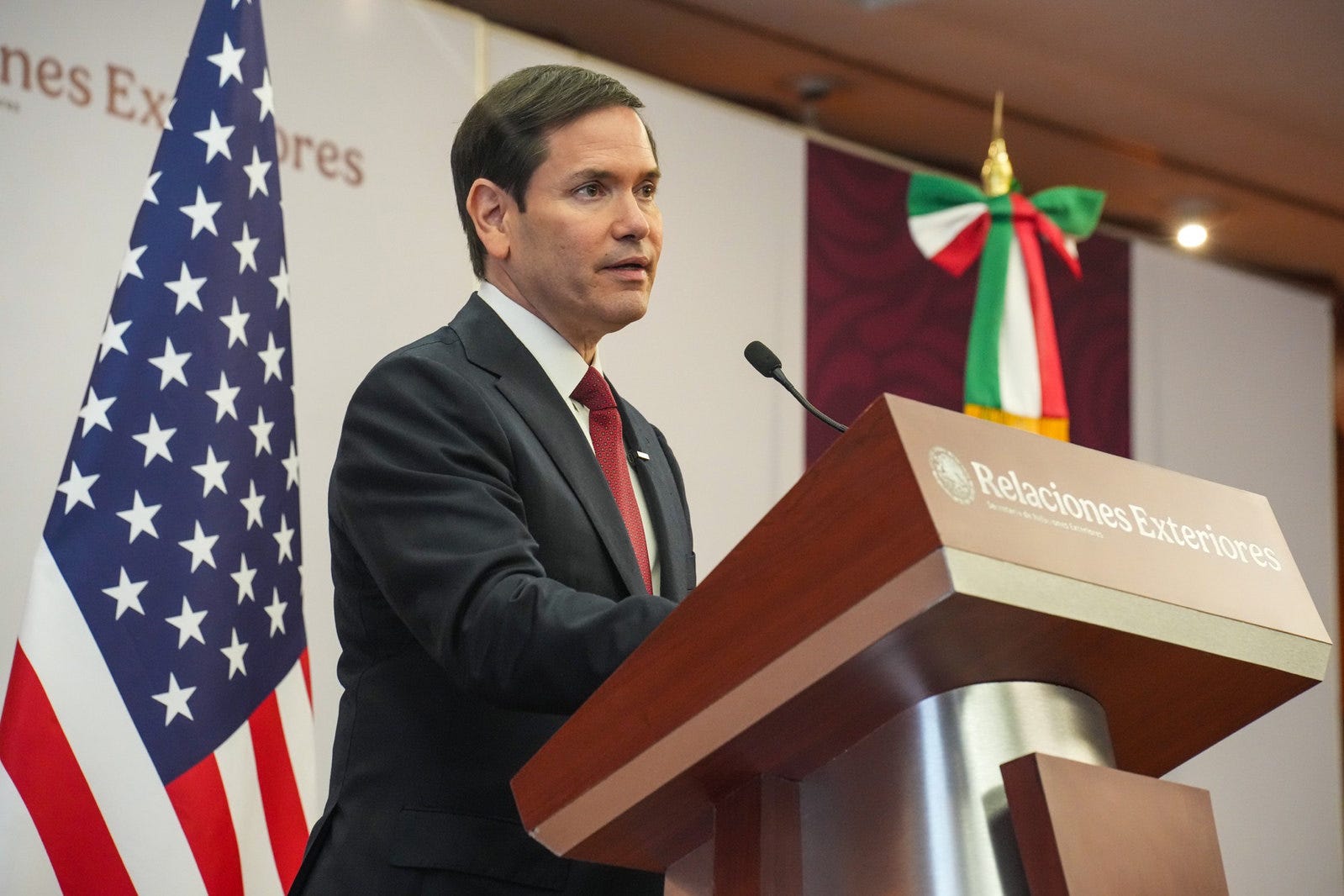
This week is a big deal in Mexico as it is filled with celebrations to mark its independence from Spain. The festivities start on September 15th, with the Cry of Dolores, and Independence Day is officially on September 16th.
The Trump administration gave its congratulations to our southern neighbor, in keeping with diplomatic customs, but also did not hold back on reminding Mexico of the stakes between our two nations.
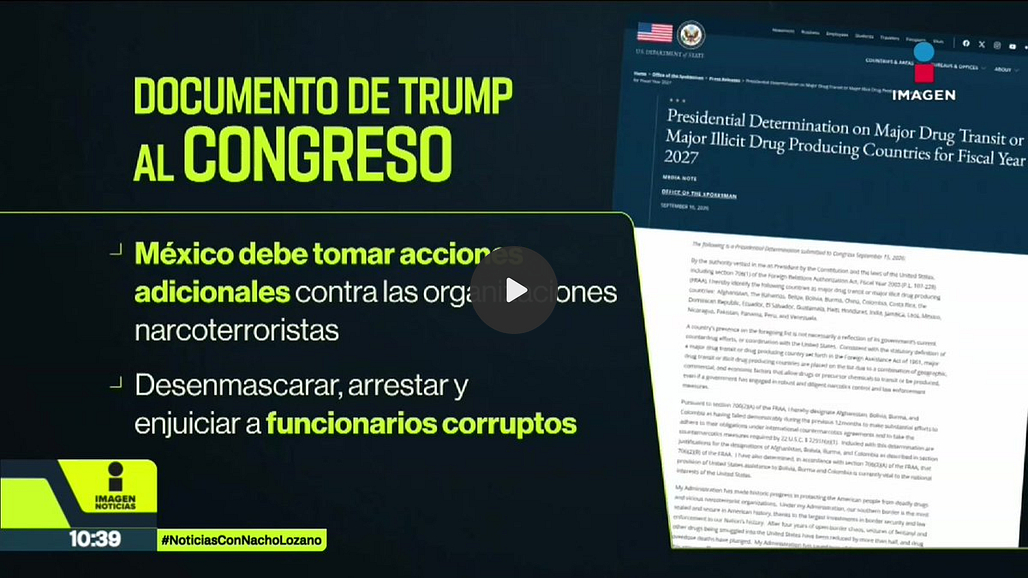
In a Presidential Determination submitted to Congress September 15th and released to the public the next day, Mexico was among the nations identified as a source for major drug transit or major illicit drug production. What was typical was President Donald Trump acknowledging President Claudia Sheinbaum’s efforts to crackdown on the cartels and drug production, but the most noteworthy part was the ending (emphasis mine):
“Additionally, Mexico’s current investments in its security forces are insufficient to sustain and expand its campaigns against narcoterrorists, their finances, and their criminal networks. This includes exposing, arresting, and prosecuting the many corrupt public officials that have aided and abetted the cartels and betrayed their own country’s security and sovereignty.”
It goes without saying the cartels operate with the protection and blessing from corrupt officials, but Mexico has historically taken the lead to go after compromised politicians. We’ll keep it in house to maintain our sovereignty, Mexico says.
That all changed after the U.S. Department of Justice indicted several current and former politicians, who belong to the ruling Morena party, back in April for colluding with and protecting a faction within Sinaloa Cartel. The fallout from those indictments has resulted in several of those public officials either resigning or taking a leave of absence while maintaining their innocence, like the governor of Sinaloa.
While Sheinbaum and her government have maintained they will be the ones to determine whether those indictments have merit, the Trump administration has reportedly revoked visas of other Mexican politicians and Morena political operatives, such as one of the sons of former President Andrés Manuel López Obrador.
Out of twenty-three countries listed in Trump’s determination, corruption is only highlighted in reference to Mexico and Bolivia.
Secretary of State Marco Rubio, who has recently returned from a trip to South America, gave a warm opening in his statement for Mexican Independence Day.
The meatiest paragraph, however, was the following:
“For too long, both of our nations have suffered from an epidemic of transnational organized crime and narcoterrorism, unchecked mass migration, and cartel violence that was allowed to fester in Mexico. The scourge of narcoterrorism has forced ordinary Mexicans to live in fear in their homes and poison smuggled over our border is responsible for the deaths of hundreds of thousands of Americans. President Trump has made historic efforts to address these challenges head on, collaborating with Mexico to aggressively degrade and dismantle the narcoterrorist groups that have sought to hold the country hostage to their criminal whims.”
The tone and messaging is in stark contrast to former State Secretary Antony Blinken’s final statement for Mexico National Day, which made no reference to the cartels.
The Presidential Determination and Rubio’s statement did not go unnoticed within Mexican media:


Trump’s message to Mexico is simple: We are not letting this issue go any time soon.
It is because of U.S. action in Venezuela and gaining allies in other Latin American countries, Mexico is walking the tightrope of appeasing American demands to do more to avoid Trump taking action on his own while maintaining its sovereignty.